In the modern enterprise, artificial intelligence is massively accelerating the speed of work.
Every week, new models and tools are released that promise to make teams faster, leaner, and more productive.
Yet, for many organizations, this relentless acceleration isn’t resulting in breakthrough innovation, it’s resulting in information overload, nervous system burnout, and declining employee engagement.
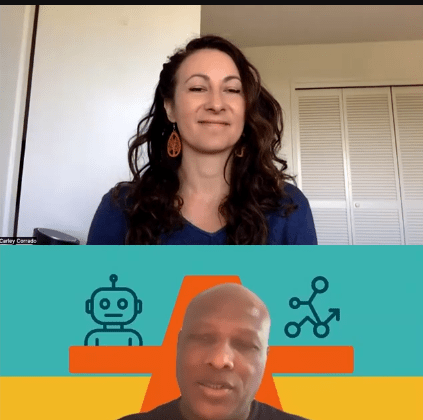
On a recent episode of the Aiscento Podcast, Dr. Carley Corrado, founder of Enliven Leadership, shared a critical perspective: successful AI transformation is not just about adopting new technology; it’s about transforming the human environment to handle that technology.
The Cost of the “Vigilance” State
When technology outpaces human adaptation, teams often enter what Dr. Corrado refers to as a “vigilance state.”
Instead of feeling inspired and creative, employees operate from a baseline of stress and survival.
When your workforce is stuck in a high stress “beta brainwave” state, trying to frantically keep up with endless AI generated outputs, they cannot access the deeper creativity required for strategic problem solving.
This vigilance state inherently caps an organization’s potential because decisions are being made from anxiety rather than clarity.
Redefining High Performance Through Flow State
To counter this, Dr. Corrado advocates for “Flow State Leadership.”
This isn’t about pushing teams to work harder; it’s about creating an ecosystem where people feel psychologically safe to share their perspectives and “empty out” the noise.
How can leaders build this?
Prioritize Radical Clarity: Before asking AI to solve a complex problem, leaders must do the pre work.
Define the exact intention, the underlying “why,” and the metrics for success.
If you apply AI to a chaotic system, you just get faster chaos.
Democratize Information: High performance comes from the ground up.
When launching new AI initiatives, organizations must take the time to gather input from across the team, not just the executive suite.
Transparency builds the trust necessary to weather disruptive change.
Regulate the Collective Nervous System: Incorporate simple, human centric check ins.
Taking moments to celebrate wins, share genuine gratitude, or clear up small interpersonal tensions saves massive amounts of lost momentum down the line.
Join the Aiscento Community
1️⃣ Listen: Hear from other innovators cutting through the noise: Aiscento Playlist
2️⃣ Discover: See the platform we are engineering: Aiscento Platform
Join our professional ecosystem on LinkedIn: Aiscento LinkedIn
#FutureOfWork #LeadershipDevelopment #TechStartups #AiscentoPodcast #FlowState #AIInnovation #MentalHealthInTech
Watch the Full Video: https://youtu.be/EVJL5fdJs9M


Leave a Reply